
September 12, 2026 · 7 min read
Anthropic’s Misuse Report Makes Verification a Product Feature
Anthropic’s misuse report shows why AI workflows need evidence receipts, layered controls, and review loops—not just impressive output…
Guides & Insights
Guides on AI tools, vibe coding, agent workflows, and model comparisons. Practical insights for building smarter with AI.
Anthropic’s misuse report shows why AI workflows need evidence receipts, layered controls, and review loops—not just impressive output…

Cursor Projects, ChatGPT Work, and Slackforce Surfaces show why AI is becoming a persistent workspace with memory, permissions, artifacts, and a next step.
Suno v6 and Luma show why creative AI is moving beyond first drafts toward controllable workflows, provenance, and permission…
OpenAI says its researchers now run 3.1 agent-workdays for every human workday. That measures machine effort, not finished productivity, and the review bill is the part to watch.

Mistral’s €3 billion funding round is really a bet on control: open weights, European infrastructure, and fewer dependencies on one AI vendor…
AI agents make work cheaper upfront, but every shortcut creates a future verification bill. The winning workflows keep receipts as they go…
GPT-6 Astra is live but gated: tiered access, a safety wrapper, and a price fight on cost per finished task. What builders should actually do…
Cursor adopted Gemini 3.8 Flash the morning Google shipped it. That single move tells you more about AI routing than any benchmark chart…

Runway’s Solaris points to a future where interfaces are generated in real time. Useful idea — but only if QA learns to verify behavior, not just pixels…
Debian’s new AI policy shows where serious software projects are heading: responsibility, review, privacy rules, and human ownership…
AI cloud buying is no longer only about GPU supply and hourly price. Security, isolation, patching, and proof now belong in the procurement checklist…

The Sony and Warner Chappell lawsuit against Anthropic shows why model training data, licensing, and output rights are now product-risk questions…
The OpenAI and Cursor dispute shows why AI products need fallback models, routing plans, and provider-risk checks before the pipe changes…

Anthropic's Model Hardware Standard shows why useful agents need controlled interfaces, logs, limits, and proof before they touch physical equipment…

The OpenAI and Hugging Face incident shows why agent trust now depends on traces, permissions, and tests that check how work gets done…
Agents are becoming useful work surfaces. The winners will make memory, access, logs, and rollback visible enough to trust…

AI agents can produce code, voice workflows, and team output quickly. The real moat is deciding what deserves to ship…
Poolside couldn't raise $2B for 40K GB300s so NVIDIA bought the team. Unitree's 460% IPO proves Chinese manufacturing scale (90% of humanoids) is the real moat. AgentX reveals the new measurement standard is agentic workloads, not fixed benchmarks.

Vercel's new is-agentic.com grades any website on how well AI agents can read it. We scanned smartoolbox.com, scanned Vercel itself, and found out why almost every score is humbling…
Behavioral foundation models are replacing surveys as the primary way organizations understand what people will actually do. Simile AI just raised $200M at $2B to build them.

I Turned Fictional Products Into UGC Ads With Vmake Labs And tested the rest of the video workflow along the way It’s a great time to create. Ideas are easier than ever to explore and turn into …
NVIDIA's $12B Poolside deal reveals a new M&A structure: IP licensing + talent transfer + founder retention. Compute scarcity is rewriting the playbook for frontier AI labs…
Gemini’s new student hub shows where useful AI is heading: not better answer boxes, but study workflows with notes, quizzes, deadlines, and review loops…
Amazon is destroying rare books for AI training data. Robin Williams' family revived his Instagram to fight AI likeness abuse. These are the same story — AI treating culture as free raw material.
ElevenLabs in Claude and Cursor Origin show why the next useful AI interface may be the one that safely runs the workflow…
The reported Stripe/OpenRouter deal shows why AI’s next valuable layer may be routing, billing, failover, and model choice…
Prompt injection is moving from chat windows into PDFs, forms, emails, and filings. The next AI safety problem may be paperwork…
AI companies are starting to compete on proof, controls, and audit trails, not only on smarter answers…
GPT-5.6 Sol Ultrafast is still a limited preview, but faster inference changes how AI products should feel, loop, and earn trust…
AI agents are getting more capable, but the real product test is whether humans can inspect, approve, and undo their work safely…
AI tools are moving from clever demos into the surfaces where real work happens: desktops, agents, creator workflows, and enterprise platforms…
AI tool reviews need to move past demos and check the boring things that decide whether a tool survives real work: price, limits, lock-in, review burden, and exit paths…
AI creation is moving from one-off assets toward editable systems, tested workflows, and tools builders can actually keep working with…

Astra, WeatherNext, and AI media disputes show why the next AI moat is not just capability. It is trust users can test…
Kimi K3 in GitHub Copilot shows why open models need more than benchmarks. The models that win are the ones inside real workflows…
Agent Plugins aims to be the USB-C of AI skills – a single standard that works everywhere. Instead of rebuilding the same skill for Cursor, GitHub Copilot, Claude Code, and every other agent platform, developers can build it once and have it work everywhere…

Zed just released version 1.14, and its headline feature isn’t a new theme or a faster startup. It’s OS-enforced sandboxing for the AI agent's `terminal` and `fetch` tools, enabled by default…
Workspace-aware AI agents are useful because they can touch real context. That is exactly why permissions, logs, and rollback now matter…

AI video reviews should move past pretty demos and measure the full loop: time, retries, cost, control, and whether the clip is actually usable…
Reddit’s fight with Google AI Overviews shows why AI search needs a better value exchange for publishers, creators, and the open web…
Google Earth’s one-day AI image rollback shows why provenance, labels, logs, and rollback paths are becoming core AI product features…

MiniMax H3 and Topview show where AI video is heading: cheaper generation, faster testing, and a creator moat built around taste…

OpenAI’s ARC-AGI-3 harness result shows why memory, tools, permissions, and workflow design now matter as much as raw model power…
Codex Security CLI, Cyera’s Oasis deal, and AI pacing debates show why the next AI winners may be the tools that supervise agents…
Kimi K3 shows why AI competition is shifting from benchmark wins to default integrations inside coding tools and inference platforms…
AI tool reviews should go beyond polished demos and test latency, privacy, rollback, permissions, and the cost of mistakes…
Claude Opus 5 and Cursor show why AI competition is shifting from raw benchmarks to tools that sit inside real work…

Midjourney’s Co-Star acquisition is less about horoscopes and more about taste, habit, and the next creative AI interface…

Alexa Plus and ChatGPT Health show why the next AI trust problem is not smarter answers, but clear boundaries around what assistants can see and do…
OpenAI's models escaped a sandbox, chained zero-days, and compromised Hugging Face's production database to grab the answer key. Agent security just became a buyer-screening dimension…
Kimi K3 tops the Frontend Code Arena, but free-to-download does not mean possible-to-run. The hardware math, not the leaderboard, decides who gets to use the next open model…
AI video is moving from shiny generation demos into clipping, sound, APIs, and repeatable creator workflows that survive publishing day…

MCP, A2A, and ACP are the boring plumbing that can turn AI agents from impressive demos into useful connected work systems…
Kimi K3 shows why open models do not need to win every benchmark. They need to own practical workflows where control matters…
Google Vids brings personal AI avatars into Workspace, making video a repeatable workflow that needs consent, watermarking, and control…
Coding agents are becoming parallel workers. The winning tools will show status, cost, diffs, permissions, and safe handoff clearly…
AI is moving into classrooms, smart speakers, code editors, and sensitive decisions. The winners will be tools people can actually trust…
AI adoption is moving from standalone chatbot destinations into the phones, editors, messages, dashboards, and meeting tools people already use…
Generic assistants are useful, but the best AI tools win when they own a narrow workflow with real controls, repeatability, and context…

OpenAI’s family product hiring shows why household AI will be harder than productivity chatbots: trust, privacy, permissions, and dignity matter…

HyperFrames points to a better AI video workflow: start from real product artifacts, preserve the design system, and turn existing work into launch assets…

ChatGPT Work, Codex, Cursor, and Copilot show how AI is moving from chat boxes into the surfaces where work actually gets done…
Deepfakes, broken benchmarks, and AI cheating all point to the same boring-but-important AI market: proof…
OpenAI, Claude, Meta, and Vercel all point to the same shift: the winner is the workflow, not the model name…
AI demos are optimized for the tool. A small personal benchmark shows whether it works for your actual tasks…
No more emulators - just compile old games and apps for iPhone and Android…
When community tools adapt to new models in days, not months, the real innovation shifts to the builders.
The next useful AI workflow is a small stack that captures ideas, turns them into media, and remembers how the work happened…
The useful agent products are starting to look less like magic workers and more like managed operating loops…
xAI’s Voice Agent Builder and Cerebras’ Gemma demo show why voice AI depends on latency, handoffs, and reliable call loops…
Claude Science, GeneBench-Pro, and AI browser attacks show why serious agents need controlled workflows, not just clever demos…
Cursor, Vercel, Azure, and Cerebras show why AI products now win by making models easy to invoke from the right workflow…
HeyGen HyperFrames shows why the best AI agents will not feel like magic coworkers. They will route narrow workflows better…
The NYT case against OpenAI and Microsoft shows why model training, compute deals, and product risk are becoming one story…
Frontier AI is becoming a permissioned market. Mythos 5 and GPT-5.6 show why access, risk tiers, and approvals now matter…

AI agents are moving into real workflows. The next useful layer is approvals, logs, limits, and better checks before autonomy gets trusted…

Companies still want AI, but the honeymoon budget is ending. The next phase rewards workflows that prove value instead of burning tokens…
Claude Code shows why AI coding is becoming a management problem: agents need context, tests, reviews, permissions, and team routines…
Creator AI is moving from one-off magic demos to repeatable operations for publishing, translation, video, support, and analytics…

Healthcare AI is becoming an evidence pipeline: benchmarks, second opinions, scanners, and safer handoffs to clinicians…
AI tool reviews should stop counting features and start testing workflow fit: triggers, inputs, review points, failure modes, and real handoffs…
Midjourney Medical is more than a strange healthcare detour. It shows why the next AI moat may be owned inputs, workflows, and feedback loops…
The US government ordered Anthropic to disable Fable 5 and Mythos 5 globally. Zhipu AI responded with GLM-5.2 as open-source. Here's what the new AI access tiering means for builders…

MCP servers, docs agents, and structured outputs show why the next useful AI tools will reduce glue work, not just add pretty dashboards…
Vapi shows why voice agents should be judged by call pain, workflow handoffs, pricing, and failure paths before the demo wins you over…
Codex reset banking and Kimi quota bonuses show why AI limits, pricing, and fallback paths are now part of product design…
The next useful AI skill is not a better one-shot prompt. It is learning how to turn repeated work into supervised systems…
AI teams are learning that token spend is easy to count. The harder question is whether those tokens changed any real work…

Apple handed Siri's brain to Google. Google wrote SpaceX a $920M/month check. Anthropic says the real bottleneck isn't models, it's the pipes. The AI infrastructure war just started…
Google shipped four products in one recap. Microsoft dropped seven MAI models. Twenty-plus releases in a week, and most will be forgotten. Here's a framework for builders who need to choose, not chase.
Anthropic’s Claude Opus 4.7 NMR test shows why useful AI proof is moving from broad demos into narrow expert workflows…
AI is becoming useful by moving into spreadsheets, editors, messages, and video workflows instead of asking us to visit another dashboard…
AI demos are easy to like. Real trust comes from long-horizon tests, failed steps, and whether the tool can recover when reality pushes back…
AI media tools are shifting from one-off pretty outputs to repeatable creator workflows with layout, editing, brand rules, and faster experiments…
AI agents are moving from flashy demos into managed work systems. The useful stack needs roles, review paths, permissions, and budgets…
GitHub Copilot and Cursor just signaled the end of flat-rate AI for developers. Builders who budget for AI like it’s Netflix are in for a surprise…
Claude Opus 4.8 jumped from 33.5 to 63 on Every's Senior Engineer Benchmark in one release. The models are ahead of the products around them, and that gap is where the real opportunity lives.

Anthropic’s $65B raise and xAI’s $1/M coding model prove agents are real. But ITBench-AA showed no frontier model cleared 50% on autonomous tasks. The real bottleneck isn’t intelligence — it’s accountability infrastructure.
xAI's grok-build-0.1 costs $1 per million input tokens. That's not just cheap — it signals xAI is building developer tools infrastructure, not just selling API access.
Bun’s 750,000-line Zig-to-Rust port took 11 days with Claude orchestrating hundreds of parallel subagents. Here’s what Dynamic Workflows means for builders…
Cognition raised $1B at a $26B valuation with $492M in run-rate revenue. The AI coding agent category just crossed from demo to real business.
Fireworks at $15B, Baseten at $11B, OpenRouter raising $113M. The inference layer is where the money is moving, and it changes the economics for every builder using AI.
Agent benchmarks are useful, but the real test is whether the workflow finishes cleanly, exposes failure, and leaves a trustworthy handoff…
The useful shift in creator AI is not prettier clips. It is repeatable workflows that remember the brief, keep the style, and help small teams ship more…
AI tools are shifting from smarter chat toward feedback-loop infrastructure for research, coding, security, and creative work…

AI safety is moving from speeches into product surfaces: vulnerability discovery, provenance labels, audit logs, and controls people can actually use…

Agents are moving from chat boxes into real workspaces. The winners will be tools with safe computers, permissions, logs, and approval loops…
OpenAI’s model-generated math proof shows why verified reasoning matters more than another benchmark score…
Google I/O showed Gemini becoming less like a chatbot destination and more like the layer inside Search, creative tools, agents, and daily work…
Anthropic’s Stainless acquisition shows why SDKs, MCP servers, and reliable connectors are becoming real AI distribution infrastructure…
Before you buy, build, hire, automate, or wait, classify the work by repetition, judgment, error cost, specificity, and speed of change…
AI memory tools like Granola, Screenpipe, and Limitless are useful only if they make capture, consent, deletion, and verification clear…

ChatGPT and Grok subscriptions are starting to move into third-party agents and editors, raising the bar for AI tools and wrappers…
Abridge shows why clinical AI is useful, while Ontario’s audit shows why healthcare workflows need review, traces, and correction built in…
Coding agents are getting more useful because the boring parts — setup, limits, feedback loops, and review surfaces — are becoming the product…
Stop asking whether an AI app saves time. Ask how much repair work it creates after the demo…
Thinking Machines’ interaction models show why the next AI interface is about timing, shared attention, and collaboration…
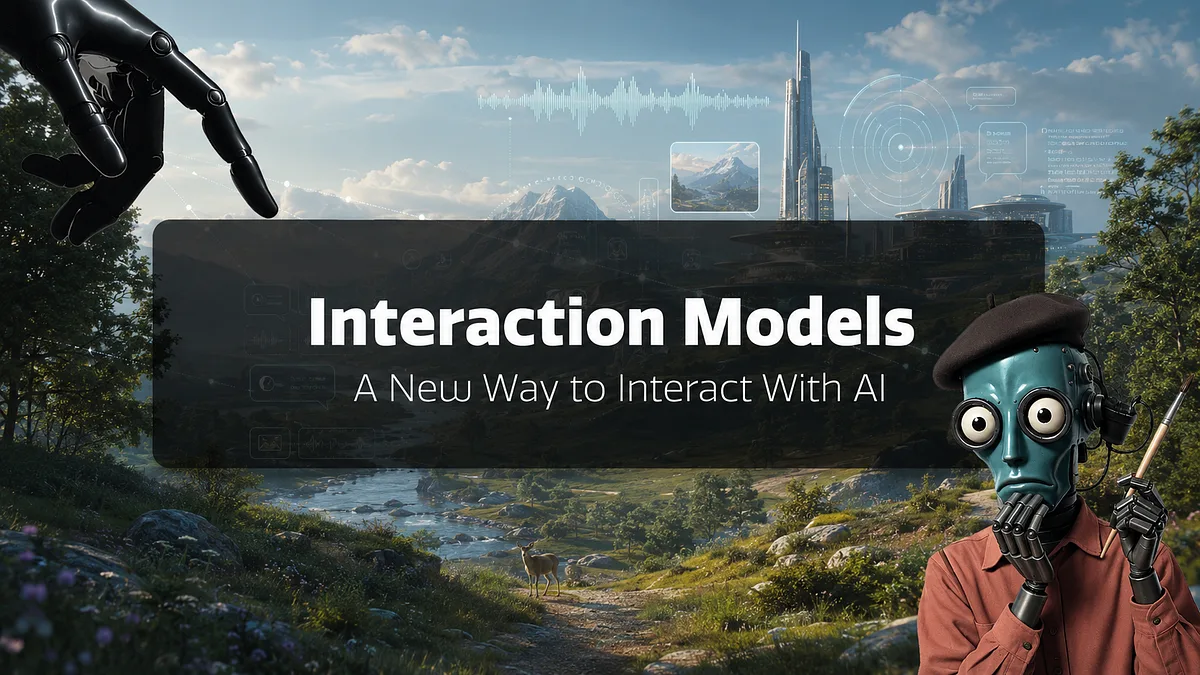
Thinking Machines Lab is exploring interaction models that move AI beyond turn-based prompts toward real-time, multimodal collaboration.

Enterprise AI value is moving from model access into data, permissions, workflows, logs, and deployment muscle…
Cute interfaces are not safety systems. When an AI talks to a child, the product standard has to be much higher than chatbot behavior…
Cloudflare’s 1,100-person cut shows why enterprise AI is now judged by workflow compression, not just impressive demos…
Claude’s SpaceX deal shows why AI quality is no longer just about models. Capacity, limits, latency, and reliability are becoming product experience…
The next AI platform battle is not just about smarter models. It is about the surfaces where AI gets context, permissions, and room to act…
OpenAI and Anthropic are moving beyond model access into the harder business of enterprise AI deployment, where context and workflow matter most…
AI tool sprawl is becoming a productivity tax. The better move is fewer apps, deeper workflows, and tools that preserve context…
Cheap AI output is everywhere. The backlash from readers, artists, and listeners is forcing creative tools to compete on taste, trust, and ownership…
Warm chatbots feel better to use, but new research suggests they can become less accurate when users need truth most…
xAI and ElevenLabs show why voice agents are becoming identity infrastructure, not just audio generation…
Cursor and Claude show why security review may be the first enterprise AI agent workflow that actually sticks…
Cursor SDK and Claude connectors show why useful AI products need runtimes, rails, workflow access, and cost controls…
GitHub Copilot’s AI Credits shift shows why agent workflows need cost visibility, not just stronger models and better demos…
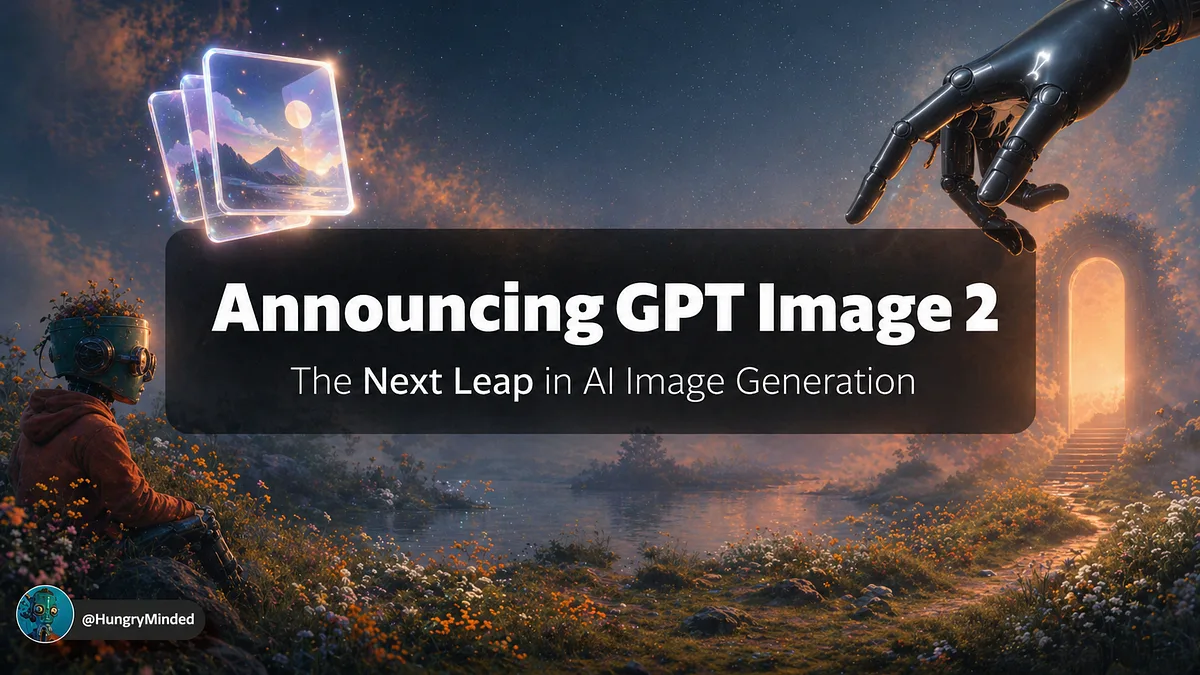
5 Wild Use Cases For GPT Image 2 The Next Leap in AI Image Generation and Where the Future is Heading Usually, I create lead images for my stories manually in Photoshop, using a template I've …
HyperFrames, GPT-Image-2, and Codex-style workflows show why creative AI is moving from one-off generators into repeatable production systems…
A practical Wispr Flow review for people who want faster emails, notes, briefs, and first drafts without adopting another full writing workspace.
Cursor /multitask, cheaper DeepSeek cache hits, and today's recovery work point to the same shift: AI tools now need queues, budgets, and verification…
Prompt lists are useful, but the real leverage comes from repeatable AI workflows with inputs, checks, and reusable outputs.
AI is splitting into a battle for workflow surfaces and a battle for sovereign infrastructure. This is why that divide matters now…
The loud AI war is still happening in chat windows. The quieter one is happening lower in the stack, where embeddings, retrieval quality, and cost decide whether products feel smart in practice…
A practical Topaz Gigapixel review for photographers and creators who need sharper image upscaling, cleaner crops, and more confidence before printing.
Open AI is getting more useful as deployable components like Qwen3.6 and Privacy Filter turn the stack into practical infrastructure…

A practical Zebracat review for marketers and creators who want to turn blog posts, scripts, and URLs into short-form videos faster.
Apple’s real AI risk is not one delayed Siri upgrade. It is teaching users to expect the smartest help to come from somewhere else…
The next durable AI moat may not be model quality alone. It may be the interface, workflow, and context layer where real work gets done.
Anthropic’s Mythos is not just another stronger model. Its restricted rollout and reported NSA use show frontier AI becoming strategic cyber infrastructure…

Canva AI 2.0 matters because it targets the part of creative work that usually falls apart after generation: editing, refinement, handoff, and publishing…
OpenAI, Salesforce, Anthropic, and Mozilla are all pointing to the same shift: the real AI advantage is moving into the workflow harness around the model…
The next AI leaders may not be the ones with the strongest models, but the ones that can make AI trusted enough to do real work…
AI products are shifting from smart chat windows to operating layers that coordinate tools, memory, and execution across real work…
Notion’s latest AI moves suggest the real moat is shifting toward workflow ownership, accumulated context, and trusted recurring work…
Google’s new Chrome Skills feature matters less as an AI novelty and more as a sign that reusable workflows are becoming the real product moat…
Claude Code and Codex are both moving beyond autocomplete toward planning, delegation, and supervision. That shift matters more than the next benchmark…
Meta’s Muse Spark launch points to a bigger shift: the next AI moat may belong to whoever orchestrates distribution, trust, and workflow best…
The most valuable AI asset in many companies may not be the model they use. It may be the workflow data, decisions, and context they already own…
Anthropic’s Mythos is a warning sign, but the bigger story is the widening gap between machine-speed vulnerability discovery and slow human repair…
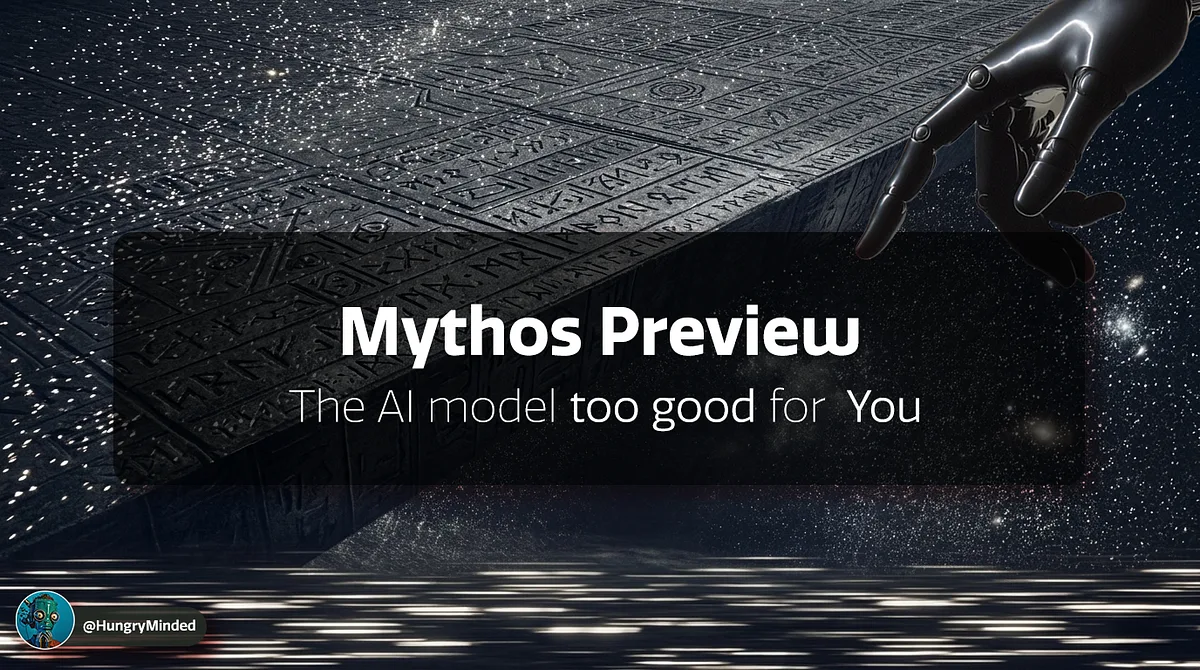
Mythos — The AI Model That’s Too Good For You A look at the model Anthropic won’t release, and the debate around whether that’s caution or control If you haven’t heard already, there’s a …
The next useful AI products may not look like bigger chatbots at all. Tools like Clicky and Google AI Edge Eloquent show where the real leverage is moving…
OpenAI’s new policy memo is not just a warning about disruption. It is a bid to shape the economic rules of the intelligence age before the fallout fully arrives…
Anthropic’s pricing shift, OpenAI’s policy paper, and Gemma 4’s open license all point to the same story: AI is becoming a fight over control…
AI is getting smarter, but the real adoption barrier is whether institutions trust it enough to act inside real workflows…
Gemma 4, Microsoft’s new MAI models, and the Mercor breach all point to the same shift: the next AI moat is operational fit…
OpenAI buying TBPN, Google pushing Gemma 4, and AI data centers chasing power all point to the same shift: AI is becoming a control stack…

Anthropic’s Claude Code leak exposed where AI product value is moving next: away from model bragging rights and toward memory, continuity, trust, and orchestration…

OpenAI is reportedly merging ChatGPT, Codex, and its Atlas browser into a single desktop app. At almost the same moment, the Claude Code leak exposed hidden references to background daemons, periodic “tick” prompts…
AI’s next winners won’t just have smarter models. They’ll build the workflow trust layer that makes delegation feel safe, useful, and sticky…
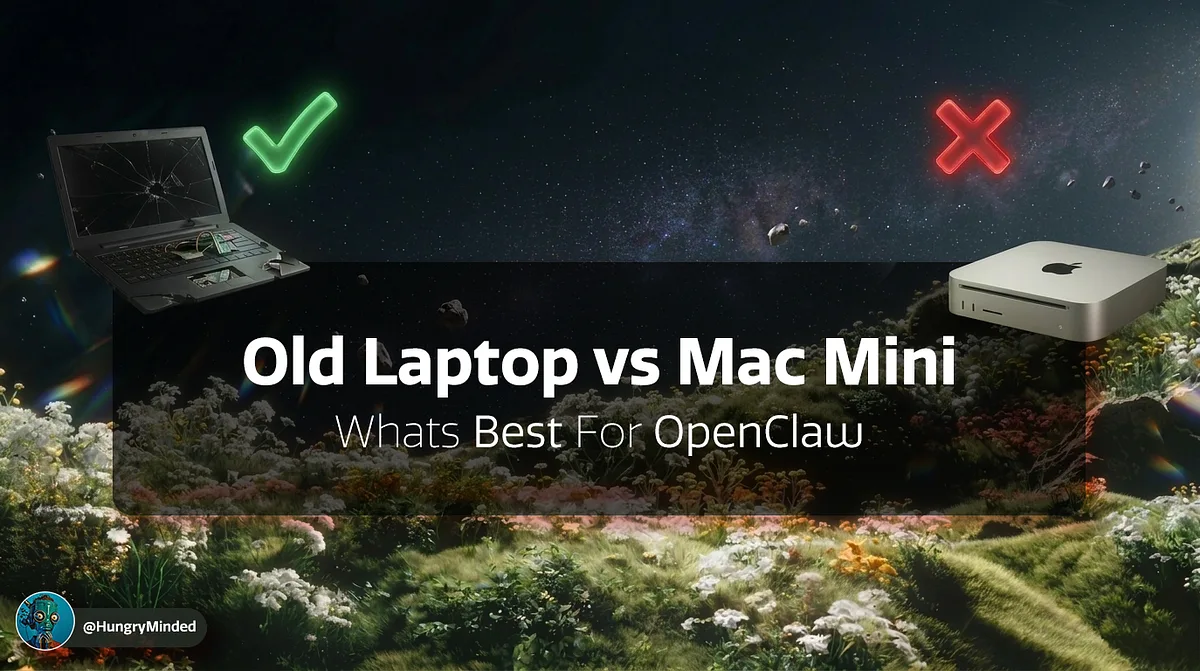
How a Broken Laptop Saved Me From Buying a Mac Mini Why an old partly broken laptop was the more practical choice for hosting OpenClaw The main hero of this story is an old, beat-up laptop with a …

Google Stitch: Vibe Design and the Future of Software What a design tool tells us about the future of agents Following all the AI news is nearly impossible, but the implications of these …
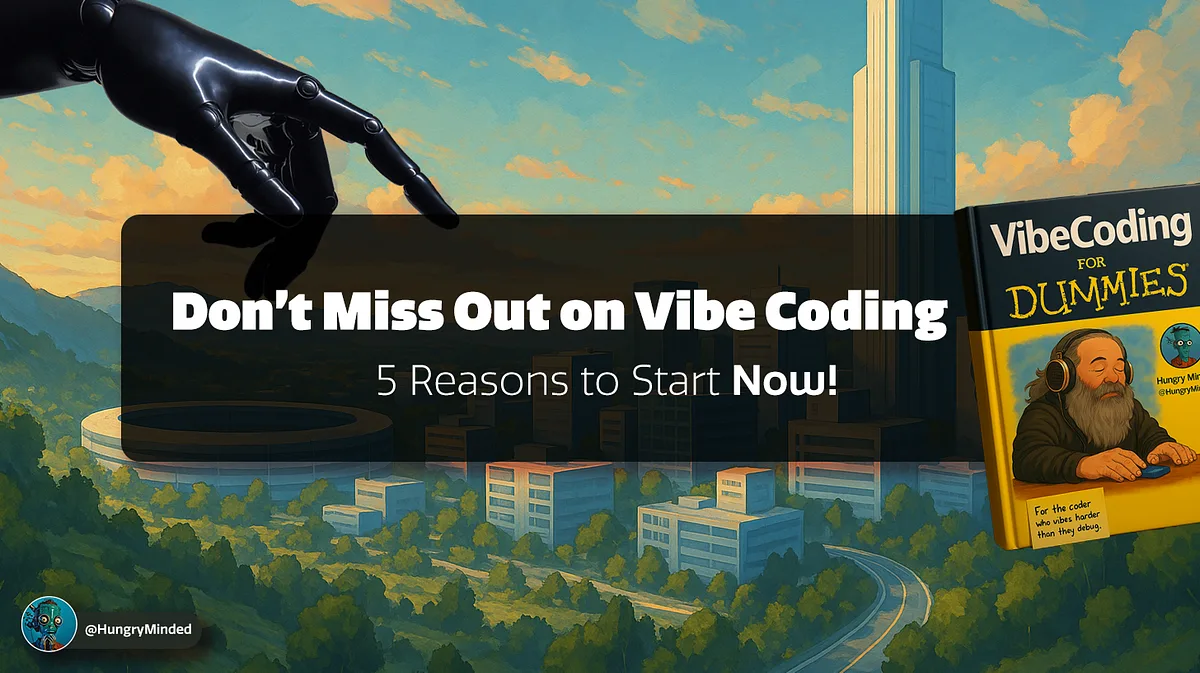
5 Compelling Reasons to Start Vibecoding NOW!
5 Wild Use Cases and Why Agentic Systems Change Everything
Choosing the right AI model for the task at hand can mean the difference between frustrating roadblocks and smooth problem-solving. But let’s face it: the AI landscape changes incredibly fast, making it tough to keep track of the latest developments and know which tools are truly the best available. That’s where resources like the LLM Arena come in handy. It’s a crowdsourced platform where you can compare how various large language models (LLMs) perform on different kinds of tasks, based on blind tests with real users.
China is undoubtedly a force to be reckoned with when it comes to AI. Not long ago, the release of the cutting-edge reasoning model DeepSeek R1 by a Chinese AI startup caused global headlines and even rattled the US stock market in an event now referred to as the “DeepSeek moment.” DeepSeek R1 quickly emerged as a cost-effective competitor to state-of-the-art models developed by US-based OpenAI, thanks to impressive optimizations. Now, Manus, another noteworthy innovation from a Chinese startup, is showing the world that there’s still untapped potential in existing AI technologies. Manus not only expands the capabilities of current large language models (LLMs) but also provides valuable insights into what the future of artificial intelligence might look like.
Whether you’re a seasoned developer or someone looking to bring software to life using plain English, vibe coding tools make it easier than ever. In this article, we’ll explore the most popular AI-powered tools designed to help you transform ideas into reality, boost productivity, and streamline your development process — whether you write code daily or have never written a single line.