Image by HungryMinded
AI Trust Is Becoming Product Design
Share this post:
https://smartoolbox.com/blog/ai-trust-product-feature
Work Smarter Not Harder
Stay up to date with the latest AI tools with Smartoolbox.com
Stay up to date with the latest AI tools with Smartoolbox.com
Explore tools
Google Gemini is Google's multimodal AI assistant and model family for chat, writing, research, coding and visual understanding. The web app lets users ask questions, summarize information, generate drafts, analyze images and work across Google's broader AI ecosystem. It is useful for students, creators, developers and business users who want a general-purpose assistant connected to current Google capabilities rather than a single narrow workflow. Gemini stands out through Google's search, Android and Workspace distribution, plus support for long-context and multimodal tasks. For Smartoolbox, it is the consumer-facing entry point into Google's AI stack rather than a raw model page or developer-only API.
THR is a small local CLI that gives coding agents semantic memory without sending private context to a hosted service. The README describes explicit memory saving, recall by meaning or exact text, stable JSON output, offline semantic search, and installable skills for Codex, OpenCode, and Claude Code. It is aimed at developers who repeatedly teach agents project rules, preferences, and lessons, then lose that context between sessions. THR fits the growing class of local agent-memory utilities because it is simple enough for terminal workflows while still designed for machine-readable agent integration. It is notable now because coding agents are becoming persistent collaborators, but many teams want memory to stay local, auditable, and easy to reset.
Google Gemini is a multimodal AI model capable of understanding and generating text, code, audio, images, and video. It powers various Google products, including the Gemini chatbot, which assists users through conversational interactions. Gemini's integration into services like Google Workspace enhances productivity by enabling features such as image generation in Google Docs.
Try it out
This prompt helps teams evaluate whether users should trust an AI product beyond the model itself. It turns a launch plan, incident summary, or product description into a trust-surface audit covering software supply chain exposure, security communication, user-facing assurances, governance signals, and where trust can collapse in practice. It is useful for AI product teams, founders, security leads, and operators who need to understand how technical trust, visible trust, and organizational credibility interact. The output goes beyond generic security advice by identifying which trust failures would become adoption failures, where user confidence is most fragile, and what needs to be made visible before shipping. It works especially well after a security incident, during enterprise readiness work, or when an AI product is becoming infrastructure people depend on.
Code & developmentUse this prompt to design the outer system an AI feature needs before shipping to real users. It is useful for product teams, developers, technical founders, and AI operators who have a promising agent, copilot, or workflow feature but need to define how it will be specified, tested, reviewed, and contained. The prompt turns a feature idea into a practical harness plan covering task specs, success criteria, eval cases, failure classes, approval checkpoints, human overrides, and logging expectations. It is especially valuable when model capability is improving faster than product discipline, because the real risk often sits in weak requirements and shallow verification. The result is a production-minded blueprint for trustworthy AI behavior, not just enthusiasm about what the model can do in a demo.
Keep reading
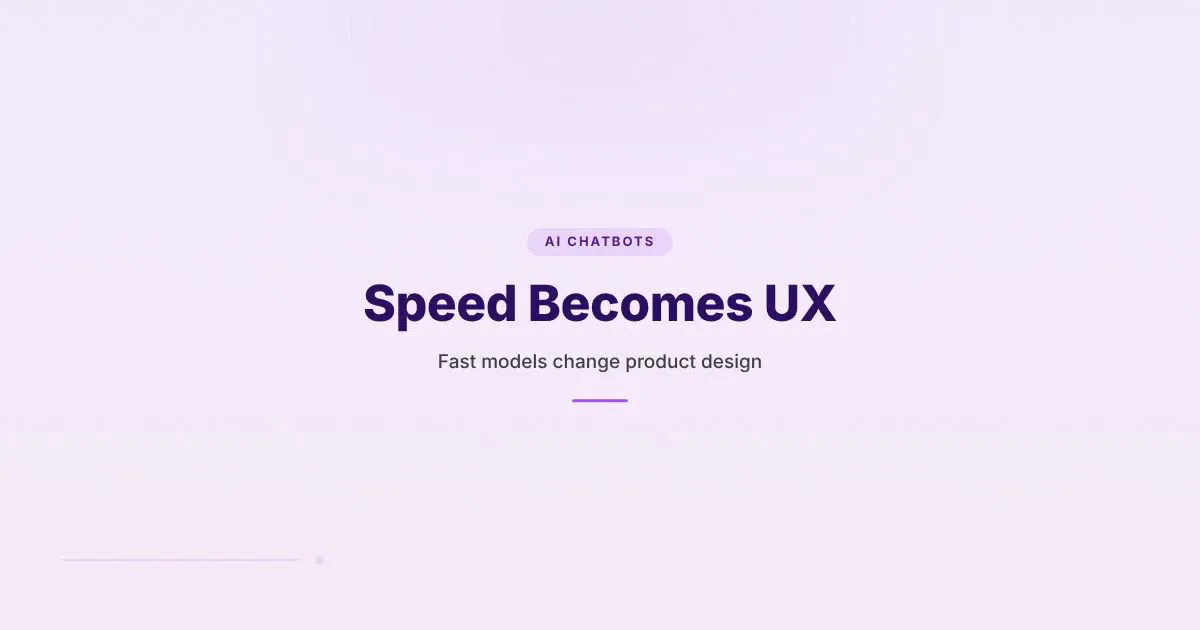
GPT-5.6 Sol Ultrafast is still a limited preview, but faster inference changes how AI products should feel, loop, and earn trust…
Google’s new Chrome Skills feature matters less as an AI novelty and more as a sign that reusable workflows are becoming the real product moat…
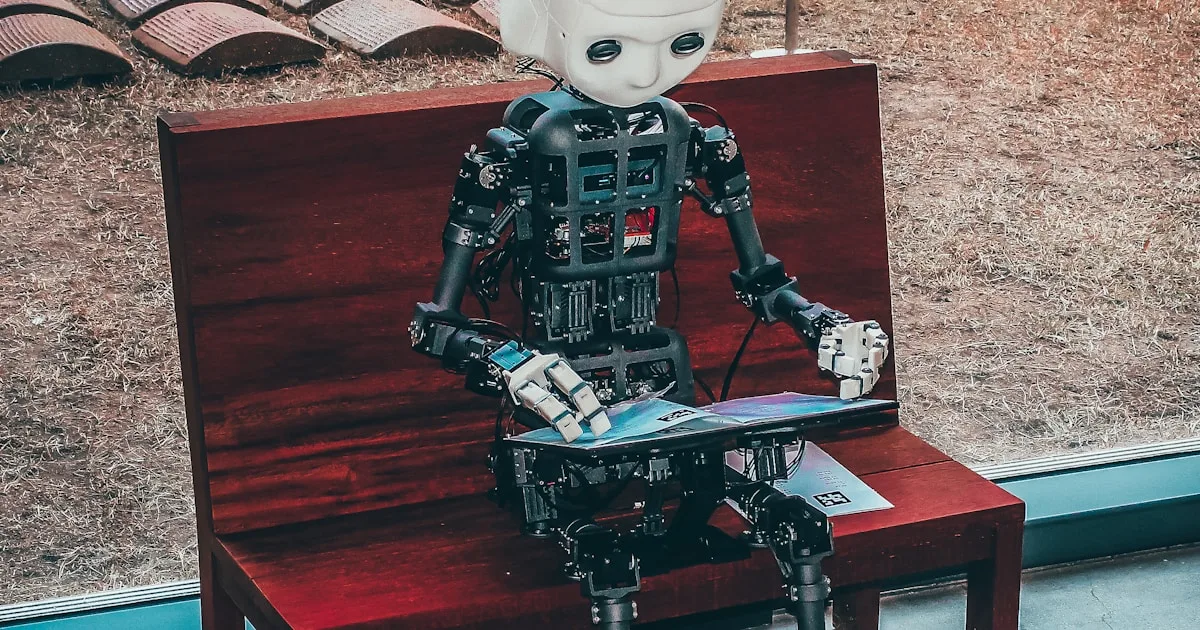
OpenAI is reportedly merging ChatGPT, Codex, and its Atlas browser into a single desktop app. At almost the same moment, the Claude Code leak exposed hidden references to background daemons, periodic “tick” prompts…