
Image by HungryMinded
The Mythos Split: Anthropic's Smartest Product Move Yet
Share this post:
https://smartoolbox.com/blog/mythos-split-anthropic-product-strategy
Work Smarter Not Harder
Stay up to date with the latest AI tools with Smartoolbox.com
Stay up to date with the latest AI tools with Smartoolbox.com
Explore tools
THR is a small local CLI that gives coding agents semantic memory without sending private context to a hosted service. The README describes explicit memory saving, recall by meaning or exact text, stable JSON output, offline semantic search, and installable skills for Codex, OpenCode, and Claude Code. It is aimed at developers who repeatedly teach agents project rules, preferences, and lessons, then lose that context between sessions. THR fits the growing class of local agent-memory utilities because it is simple enough for terminal workflows while still designed for machine-readable agent integration. It is notable now because coding agents are becoming persistent collaborators, but many teams want memory to stay local, auditable, and easy to reset.
laude is an AI assistant developed by Anthropic, designed to be safe, accurate, and secure, assisting users in tasks such as drafting documents, coding, and more.
Ollama is a local AI platform for running, managing, and sharing open models on your own machine or private infrastructure. It makes it easy to pull models, serve them through an API, and integrate local inference into developer workflows without relying on a fully managed cloud stack. Teams use Ollama for privacy-sensitive assistants, internal tools, offline experimentation, and rapid testing of open-weight models across laptops, workstations, and servers. It is especially useful for developers, operators, and AI builders who want quick setup with less operational overhead. What makes Ollama distinctive is how approachable it is: it packages model runtime, distribution, and deployment into a streamlined experience that helps people get productive with local AI in minutes instead of spending days on configuration.
Try it out
Use this prompt to plan how an AI feature should actually reach users instead of treating launch strategy as an afterthought. It turns a product concept into a distribution-surface strategy covering where the feature should live, what existing user behavior it can plug into, which surfaces create trust or habit, how much behavior change is required, and what launch sequence best compounds adoption. It is useful for founders, product marketers, growth teams, and operators shipping AI inside apps, workflows, or consumer products where distribution often matters more than raw model quality. The output helps teams choose channels, interfaces, and rollout order with a practical view of adoption, rather than assuming that a strong model alone will create durable usage.
Teaching & LearningType a concept, copy the prompt, and get a complete HTML page that teaches it from scratch — diagrams, interactivity, and a clean editorial layout. See real outputs from GPT-4.5 and Claude below and compare how each model interprets the same prompt.
Health & documentsAttach your lab or clinic PDF, paste the prompt, and get one calm, readable HTML page—summary, key findings, plain-language explanations, and a clear disclaimer. Example output was generated with GPT-5.3 Instant on the free version of ChatGPT with a sample report PDF attached.
Keep reading
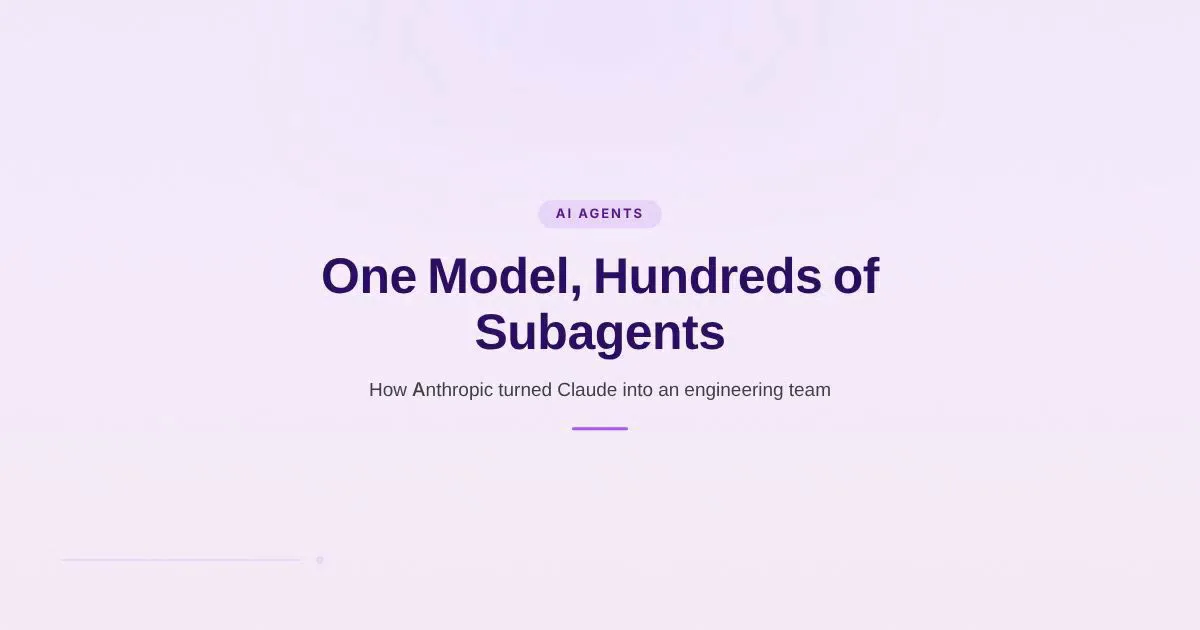
Bun’s 750,000-line Zig-to-Rust port took 11 days with Claude orchestrating hundreds of parallel subagents. Here’s what Dynamic Workflows means for builders…
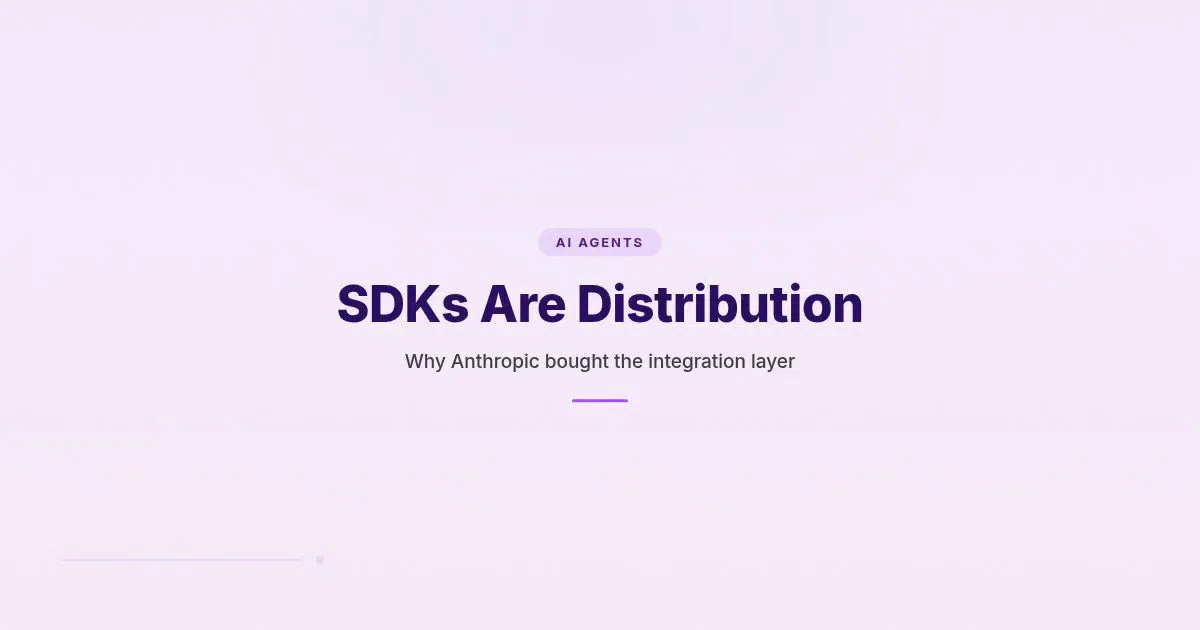
Anthropic’s Stainless acquisition shows why SDKs, MCP servers, and reliable connectors are becoming real AI distribution infrastructure…
Claude’s SpaceX deal shows why AI quality is no longer just about models. Capacity, limits, latency, and reliability are becoming product experience…